Shower Repairs Australia
Bathroom Repairs in Melbourne: Common Problems, Costs and Warning Signs
Leaking showers, failed grout, blocked drains, recurring mould and dripping taps are the bathroom repairs Melbourne homes need most. Fixed early, most cost hundreds of dollars. Left alone, water damage to the structure can cost $15,000-$30,000.
| Updated
Summarise this article with AI
The most common bathroom repairs in Melbourne homes are leaking showers, failed grout, blocked drains, recurring mould and dripping taps. Most start small. Regrouting costs $550-$1,500 and waterproofing repairs $1,000-$2,500, but water that reaches the home’s structure can cost $5,000-$25,000 or more to fix. Acting early is the cheapest option.
Melbourne’s weather plays a big part. Rapid temperature swings and steamy, closed-up bathrooms put constant stress on seals, grout and membranes.
Small bathroom problems rarely stay small. A patch of mould in the corner or a loose tile can turn into thousands of dollars of work for a bathroom repair specialist. Knowing what to look for, and acting quickly, saves money.
What are the most common bathroom repairs in Melbourne homes?
Leaking showers, failed grout, blocked drains, recurring mould and dripping taps or fixtures are the repairs Melbourne bathrooms need most. Each one usually starts small and gets more expensive the longer it’s left.
- Leaking showers: failed seals and membranes let water into walls and floors.
- Failed grout: cracked, discoloured or missing grout lets water get behind tiles.
- Blocked drains: hair and soap buildup cause slow drainage and standing water.
- Recurring mould: high humidity and closed-up houses let mould return after cleaning.
- Dripping taps and fixtures: worn washers, O-rings and cartridges waste water and damage vanities.
Leaking showers
Leaking showers are among the most frequent problems in Melbourne homes, especially in older bathrooms.
Humidity changes put constant stress on waterproof seals and membranes. One week the bathroom is dry, the next it’s like a steam room. The repeated expansion and contraction eventually makes seals fail.
Signs of a leaking shower include:
- water stains on the ceiling below the bathroom
- peeling paint near the shower
- tiles that feel loose or sound hollow when tapped
- a musty smell that never goes away
These aren’t cosmetic issues. They’re early warnings of structural damage. When the leak comes from the shower floor, shower base repair deals with the source rather than the symptoms.
Professional waterproofing repairs typically cost $1,000-$2,500. That’s small compared with the $5,000-$25,000 or more you could face if water reaches your home’s structure.
Failed grout
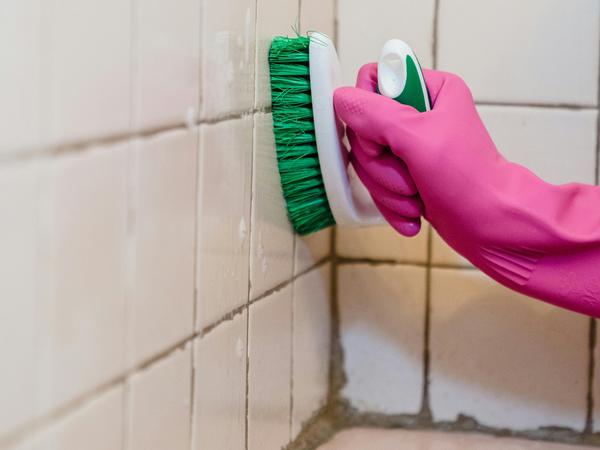
Grout in Melbourne bathrooms cracks, discolours and falls out because of humid summers and steam from hot winter showers.
The real problem is water getting behind the tiles. Once moisture gets through the grout, it can damage the substrate underneath, loosen tiles and lead to structural issues.
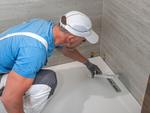
Shower regrouting replaces failed grout before water does more damage. Epoxy grout is more durable than cement-based grout but costs more upfront. For busy family bathrooms, most Melbourne homeowners find the lower maintenance and longer lifespan worth it.
Blocked drains
Hair and soap buildup cause stubborn blockages. Older homes in inner Melbourne suburbs also have ageing pipes that weren’t designed for modern water use.
Slow drainage soon becomes standing water in the shower. Pooling water encourages mould and can compromise the waterproofing, because the longer water sits, the more likely it is to find small gaps and cracks.
Remove visible hair from drain covers weekly and use a drain snake for deeper blockages. Avoid chemical drain cleaners, which can damage the older pipes common in Melbourne homes. Professional drain cleaning costs $150-$400, but pipe repairs can cost much more depending on access and the extent of the damage.
Mould that keeps coming back
Mould is a common problem in Melbourne homes, and the bathroom is usually where it starts. Changeable weather means houses are constantly opened up and closed, with heaters and air conditioners running.
Mould needs just 24-48 hours to establish visible growth once conditions are right. A hot shower in a closed bathroom sends humidity soaring, and houses closed up during hot or cold spells give mould plenty of chances.
The black spots around your shower screen aren’t just unsightly. Mould can trigger respiratory problems and points to moisture inside your walls. What you see on the surface is often a small part of a larger problem behind the tiles or in the wall cavity.
Dripping taps and fixtures
Everyday use wears out tap washers, O-rings and internal mechanisms. A dripping tap wastes thousands of litres a year and can cause water damage to vanities and surrounding areas.
Common fixture problems include worn cartridges in mixer taps, corroded valve seats, failed toilet cistern mechanisms and loose shower heads that spray water where it shouldn’t go.
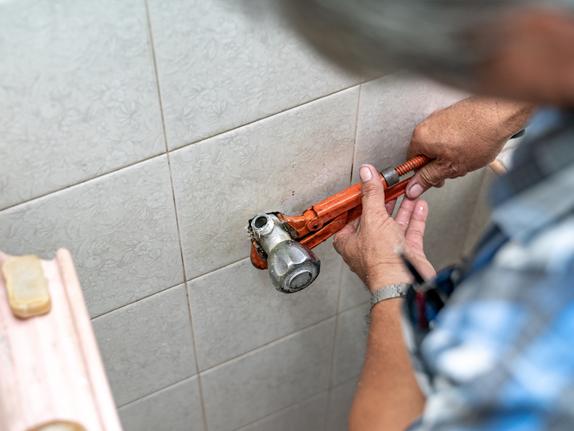
Some of these repairs suit handy homeowners. Plumbing regulations require licensed professionals for many of them to keep the work compliant and your insurance intact.
Why Melbourne homes struggle more with leaks and mould
Melbourne bathrooms are more vulnerable than those in other Australian cities for three reasons.
- Older housing stock. Many inner Melbourne homes were built before modern waterproofing standards existed.
- Climate extremes. Melbourne is known for big temperature changes within a day. Materials that work in stable climates struggle with repeated expansion and contraction.
- Building density. Attached homes and units share walls and have limited access for repairs. Water damage in one unit can affect the neighbours, so repairs sometimes need coordinating across several properties.
What are the signs you need urgent bathroom repairs?
The signs you need urgent bathroom repairs are water stains near the bathroom, a musty smell that returns after cleaning, hollow or moving tiles, changes in water pressure or drainage, and sticking doors or spongy floors. Each one means water is getting where it shouldn’t.
These are the warning signs bathroom repair professionals say homeowners can’t afford to ignore.
Bathroom warning signs and what they mean
| Warning sign | What it usually means |
|---|---|
| Stains on the ceiling below the bathroom | Water moving inside walls or ceiling cavities |
| Musty smell that returns after cleaning | Hidden mould behind tiles or in wall cavities |
| Hollow, moving or cracked tiles | Moisture damage to the substrate under the tiles |
| Lower pressure, gurgling or slow drains | Hidden leaks, mineral buildup or partial blockages |
| Rising water bills | Hidden leaks |
| Sticking doors, wall cracks or spongy floors | Moisture causing structural movement |
Water stains and damp patches
Water stains on a ceiling below a bathroom need investigating straight away. They often mean water is moving inside the walls or ceiling cavity, causing damage you can’t see.
Other signs to look for:
- discoloured paint or plaster near wet areas
- peeling wallpaper in adjacent rooms
- white mineral deposits on tiles, known as efflorescence
- damp patches that appear and disappear with the weather
Water finds the smallest gaps and can travel well away from its source. A ceiling stain in a bedroom might come from a shower leak two rooms away. The further water travels, the more damage it causes, so bathroom leak repair has to start with finding the source.
Musty smells that won’t go away
A persistent musty smell is often the first clue that mould is growing where you can’t see it, behind tiles or inside wall cavities.
By the time you can smell hidden mould, a significant colony is usually established. A professional mould assessment costs around $300-$500 and can find the problem before it becomes a health hazard or needs structural repairs.
Air fresheners and cleaning products only mask the smell. If it returns soon after cleaning, there’s likely a hidden moisture problem that needs a professional.
Loose, hollow or cracked tiles
Healthy tiles feel solid. Warning signs include hollow sounds when tapped, movement when pressed, cracks with no obvious cause, and grout lines that are widening or falling out.
These symptoms usually mean moisture has reached the substrate beneath the tiles. Moving tiles are the most concerning, because the substrate has lost structural integrity.
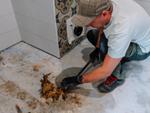
That damage happens gradually, over months or years, as moisture weakens adhesives and backing materials. A small cosmetic issue on the surface often reveals extensive damage once the tiles come up.
Changes in water pressure or drainage
Plumbing changes that seem minor tend to get worse. Watch for:
- reduced shower pressure, which can mean hidden leaks, mineral buildup or supply line problems
- gurgling drains, which suggest ventilation problems or partial blockages
- water backing up in unexpected places, which can mean serious drainage issues
- unexplained increases in water bills, which often signal hidden leaks
Left alone, these problems put extra stress on plumbing components and can lead to water damage.
Sticking doors and spongy floors
Doors that suddenly stick, cracks in walls near wet areas and floors that feel spongy underfoot often mean moisture is causing structural movement.
Get these assessed immediately. Water that reaches load-bearing elements can compromise the home’s structure.
Spongy floors mean the subfloor has absorbed moisture and started to deteriorate. Fixing that usually involves floor replacement and moisture remediation.
Which bathroom repairs can you DIY and which need a professional?
Homeowners can handle routine bathroom maintenance such as cleaning shower heads, clearing simple drain blockages and touching up caulk. Electrical work, gas fitting and most plumbing must be done by licensed tradespeople, and waterproofing must meet AS 3740. In Victoria, domestic building work over $10,000 must be done by a builder registered with the Building and Plumbing Commission.
Bathroom work carries strict regulations and serious consequences for mistakes, so it pays to know when to call a bathroom repair specialist.
DIY vs professional bathroom repairs
| Task | Who should do it | Why |
|---|---|---|
| Cleaning shower heads and tap aerators | DIY | Keeps water flowing |
| Replacing toilet seats and handles | DIY | Simple part swap |
| Minor caulk touch-ups around fixtures | DIY | Surface maintenance |
| Clearing simple drain blockages with a plunger or drain snake | DIY | Stops small blockages getting worse |
| Basic grout cleaning and early mould removal | DIY | Surface maintenance |
| Recurring problems or visible water damage | Professional assessment | Maintenance won’t fix the root cause |
| Waterproofing | Qualified professional | Must meet AS 3740 and the National Construction Code |
| Electrical work in wet areas | Licensed electrician | Illegal as DIY in Australia |
| Gas fitting | Licensed gasfitter | Illegal as DIY |
| Major plumbing alterations | Licensed plumber | Required by state plumbing regulations |
| Structural modifications | Registered builder | May need a building permit |
DIY maintenance keeps small problems small, but it won’t fix structural or waterproofing faults. Treat it as routine upkeep, not repair.
If a problem keeps coming back despite your efforts, or looks deeper than the surface, call a professional who can find the root cause.
Why professional work matters
For Melbourne homeowners, the biggest DIY risk is insurance. Insurers can refuse claims for damage caused by non-compliant work, so money saved doing it yourself could cost tens of thousands if something goes wrong.
DIY bathroom repairs that go wrong commonly lead to:
- insurance claims denied for non-compliance
- structural damage from failed waterproofing
- safety hazards from incorrect electrical work
- complete re-work to fix improper installations
Licensed and registered tradespeople carry insurance that protects you if something goes wrong. They also know how materials perform in Melbourne’s climate and which products and methods last. Professional warranties typically cover workmanship for 2-10 years.
A good professional will:
- give a detailed quote with a clear scope
- explain the compliance requirements
- offer an appropriate warranty
- hold current insurance and licences
A bathroom works as an integrated system, where each element affects the others. Professional installation costs more upfront, but once you factor in the risk of DIY mistakes, professional bathroom repairs are often better value.
How much do bathroom repairs cost in Melbourne?
Bathroom repair costs in Melbourne typically range from $150-$400 for drain cleaning and $550-$1,500 for regrouting to $1,000-$2,500 for waterproofing repairs. Plumbers charge $80-$150 per hour, and emergency callouts add $100-$200.
Realistic prices help you budget and spot quotes that are too good to be true or unreasonably high.
Typical bathroom repair costs in Melbourne
| Repair or service | Typical cost |
|---|---|
| Shower regrouting (epoxy at the higher end) | $550-$1,500 |
| Standard waterproofing repair | $1,000-$1,800 |
| Complex or extensive waterproofing repair | $1,800-$2,500 or more |
| Full membrane replacement | $2,000-$3,500 |
| Professional drain cleaning | $150-$400 |
| Ceramic tile installation, labour | $30-$50 per square metre |
| Porcelain tile installation, labour | $50-$80 per square metre |
| Plumber (electricians charge similar rates) | $80-$150 per hour |
| Emergency callout | Adds $100-$200 |
| Professional mould assessment | $300-$500 |
| Annual bathroom inspection | $200-$400 |
| Smart leak and humidity monitors | $50-$200 |
| Full bathroom renovation | $8,000-$45,000 or more |
| Structural water damage if problems are left | $5,000-$25,000 or more |
Epoxy grout costs more because of the material and the extra skill needed to install it properly. Tile labour prices don’t include materials, preparation or waterproofing. Trade rates cover training, insurance and equipment as well as time.
What pushes bathroom repair costs up
- Access. Bathrooms in older Melbourne homes often have limited access, which adds time and specialised equipment.
- Hidden damage. Extra problems often appear once work starts. Budget an extra 20-30%, especially in older homes built to outdated methods.
- Materials. Premium waterproofing systems and tiles cost more upfront but usually last longer and carry better warranties.
- Compliance. Bringing an older bathroom up to current standards adds cost but protects your investment.
Repair or renovate?
A full renovation is better value than repairs when repair costs exceed 60% of the cost of replacement. Bathroom renovations in Melbourne range from $8,000 for basic updates to $45,000 or more for premium installations.
Renovation also makes sense when:
- several systems need major work at the same time
- the layout no longer suits your household
- you want to improve energy efficiency and functionality
The decision often comes down to how long you plan to stay and whether piecemeal repairs will hold up long term.
Getting value from a quote
Get several quotes to establish a fair price. Be wary of any quote well below the others, as it may hide costs or cut corners.
Red flags include pressure to sign immediately, cash-only arrangements, and no written warranty or insurance details.
A good quote includes:
- materials and methods specified in writing
- clear warranty terms
- current licences and insurance
- local references you can check
The cheapest quote often becomes the most expensive once problems emerge. Quality work costs more upfront but lasts longer and needs less maintenance.
Seasonal pricing in Melbourne
Melbourne’s seasons affect repair costs in predictable ways.
- Winter: higher demand for emergency repairs, with premium pricing for urgent heating-related problems.
- Spring: peak renovation season. Book early for better rates and availability.
- Summer: good availability for non-urgent work, as many contractors have lighter schedules.
- Autumn: stable weather, ideal for preventive maintenance before the busy winter season.
Booking non-urgent repairs in quieter periods can save money and gets you contractors who aren’t rushing between emergency jobs.
What building standards apply to bathroom repairs in Australia?
Bathroom waterproofing in Australia must meet AS 3740, the Australian standard that sets how bathrooms must be waterproofed. Compliant work protects your family’s health, your insurance cover and your property’s value when you sell.
AS 3740 in plain English
AS 3740 isn’t a suggestion. The National Construction Code calls it up, which gives it legal force as the standard for bathroom waterproofing, and it exists because waterproofing failures cause enormous damage.
The key requirements:
- Shower floors must be completely waterproof, because they get direct water every day.
- Shower walls must be waterproofed to at least 1,800mm, because splash and steam reach surprising heights.
- Corners, joints and penetrations need special treatment, because they’re weak points where materials meet.
- Different floor types have their own requirements, because substrates respond differently to moisture.
- Installation should be done by qualified professionals who certify the work.
A properly installed waterproof membrane should last 15-20 years with minimal maintenance. Non-compliant waterproofing often fails within 2-5 years. The standard sets minimum requirements, and many professionals exceed them on difficult jobs.
Why qualifications and registration matter
Victoria has no separate waterproofing licence, unlike NSW. Work over $10,000 must be done by a builder registered with the Building and Plumbing Commission, and an experienced waterproofer understands:
- current products and how they work together
- installation methods suited to Melbourne’s climate
- documentation for warranties and compliance
- how to handle unexpected issues during installation
Good professionals keep up with changing building codes through ongoing training. Using a registered builder also gives you recourse through the Building and Plumbing Commission and insurance if the work is defective.
Documentation you should receive
Professional installations should come with:
- compliance certificates proving the work meets Australian standards
- material safety data sheets for warranty and maintenance reference
- warranty documentation
- installation photographs
Keep these documents safe. You’ll need them for insurance claims, warranty issues that come up years later and selling the property. They also show future contractors exactly what materials and methods were used, which makes later repairs quicker and cheaper.
Compliance, property value and insurance
Building inspectors routinely check bathroom compliance when a home is sold. Non-compliant work often needs expensive rectification before settlement, costing thousands and causing delays.
Compliant work with proper paperwork keeps a property marketable. Buyers value a bathroom that won’t need immediate attention.
Insurance companies increasingly scrutinise bathroom damage claims due to the high cost of water damage repairs. Non-compliant installations can void cover, leaving you liable for:
- damage to your own property
- damage to neighbouring properties
- temporary accommodation costs during repairs
Documentation from a qualified professional often decides whether a claim is approved or denied.
How do you prevent bathroom water damage?
Bathroom water damage is prevented with regular checks of grout, seals and tiles, good ventilation, quick fixes for small leaks and an annual professional inspection. In Melbourne, ventilation is critical because high humidity drives mould growth.
A monthly maintenance routine
- Week 1, visual check: look for new cracks or loose tiles, check grout lines for wear, and test tap performance and water pressure.
- Week 2, deep clean: remove soap scum and mineral deposits that can hide problems, clean exhaust fan covers, and check drain flow.
- Week 3, ventilation: make sure the exhaust fan works and moves enough air, check air circulation, and deal with any areas where moisture builds up.
- Week 4, detailed inspection: check caulking around fixtures for cracks or gaps, look for early mould in hidden spots, and check under the sink for leaks.
Seasonal maintenance in Melbourne
- Autumn: clean gutters to stop roof leaks reaching bathroom ceilings, check window and door seals, and service heating before winter to prevent condensation.
- Winter: keep heating consistent to limit condensation, ventilate while the house is closed up, and fix leaks before winter rain and condensation make them worse.
- Spring: inspect for damage that developed slowly over winter, service air conditioning before summer humidity, and plan major repairs for good weather.
- Summer: monitor humidity, keep ventilation up as shower use increases, and fix drainage problems before storm season.
Smart monitoring
Humidity sensors alert you when conditions favour mould. Smart water leak detectors send alerts to your phone, and WiFi-enabled systems let you monitor the bathroom while you’re away.
These devices typically cost $50-$200 and can prevent thousands in damage by catching problems early. They suit Melbourne well, because changeable weather makes conditions hard to track by hand.
Choosing materials for Melbourne conditions
- mould-resistant paints and finishes
- an exhaust fan sized properly for the bathroom
- durable grout and sealants that handle climate swings
- quality tapware with easy-to-replace cartridges
- drainage that copes with Melbourne’s heavy rain events
- surfaces that are easy to clean
For major decisions, think ahead. Accessibility features, energy efficiency and installation quality all affect how long the bathroom lasts before the next renovation.
Annual professional inspections
An annual bathroom inspection typically costs $200-$400 and often finds problems that would cost thousands if left.
Inspectors spot issues homeowners miss. The inspection also documents the bathroom’s condition for insurance, builds a maintenance history that helps when you sell, and can point to upgrades that cut future maintenance.
What should you do if you notice a bathroom problem?
If you notice a bathroom problem, have it professionally assessed straight away. Leaks, loose tiles and musty smells get more expensive the longer they’re left, and the risk of structural damage grows.
Book an assessment if you notice:
- signs of water damage or leaks
- mould or odours that cleaning doesn’t remove
- tiles or fixtures that feel loose or move when touched
- changes in water pressure or drainage
An assessment costs far less than emergency repairs. When you need bathroom repairs in Melbourne, choose qualified, registered professionals who understand local conditions and comply with Australian standards.
Frequently Asked Questions
Why do Melbourne bathrooms have more leaks and mould?
Melbourne bathrooms get more leaks and mould because of rapid weather changes, high humidity and older housing. Temperature swings make materials expand and contract, which stresses waterproof seals and membranes. Steamy, poorly ventilated bathrooms stay damp, and mould can establish visible growth within 24-48 hours. Many inner Melbourne homes were also built before modern waterproofing standards existed.
When is it better to renovate a bathroom than repair it?
Renovating a bathroom usually makes more sense than repairing it when repair costs exceed 60% of the replacement cost, several systems need major work at once, or the layout no longer suits the household. Full bathroom renovations in Melbourne range from $8,000 for basic updates to $45,000 or more for premium work. How long you plan to stay in the home also matters.
Are bathroom repairs covered by insurance?
Insurance cover for bathroom repairs depends on what caused the damage and whether the work met Australian standards. Sudden damage, such as a burst pipe, may be covered. Gradual deterioration from poor maintenance usually isn't. Non-compliant DIY work can void cover entirely. Compliance certificates and warranty documents from a qualified professional give a claim the best chance of approval.
How long does bathroom waterproofing last?
A properly installed bathroom waterproof membrane should last 15-20 years with minimal maintenance. Waterproofing that doesn't comply with the AS 3740 standard often fails within 2-5 years, letting water into walls and floors. Professional waterproofing repairs in Melbourne typically cost $1,000-$2,500, and full membrane replacement after complete failure costs $2,000-$3,500.
Is epoxy grout worth it for shower regrouting?
Epoxy grout costs more than cement grout but is usually worth it for busy family bathrooms. In Melbourne, shower regrouting usually costs $550-$1,500, with epoxy grout at the higher end of that range. Epoxy is more durable, needs less maintenance and lasts longer. The higher price also reflects the extra skill needed to install epoxy grout properly.
This article provides general information only and should not be considered professional advice. Building regulations and standards are subject to change. Always consult licensed building practitioners and relevant authorities for advice specific to your project. Information is current as of publication date and accuracy cannot be guaranteed.